The correct posture when driving: tips for safe and comfortable driving
The correct posture when driving is crucial to guarantee safety and comfort during our journeys by vehicle. Drivers often develop poor driving habits, which can cause physical discomfort and compromise responsiveness in dangerous situations. In this article, we'll explore the key aspects of optimal driving posture, from seatback and headrest adjustment to steering wheel and mirror position. Proper posture is essential for a safe and enjoyable experience on the road.
An optimal posture is essential to face any trip safely and comfortably. Veteran drivers often develop bad driving habits. It is important to be aware of the importance of proper posture to ensure safety.
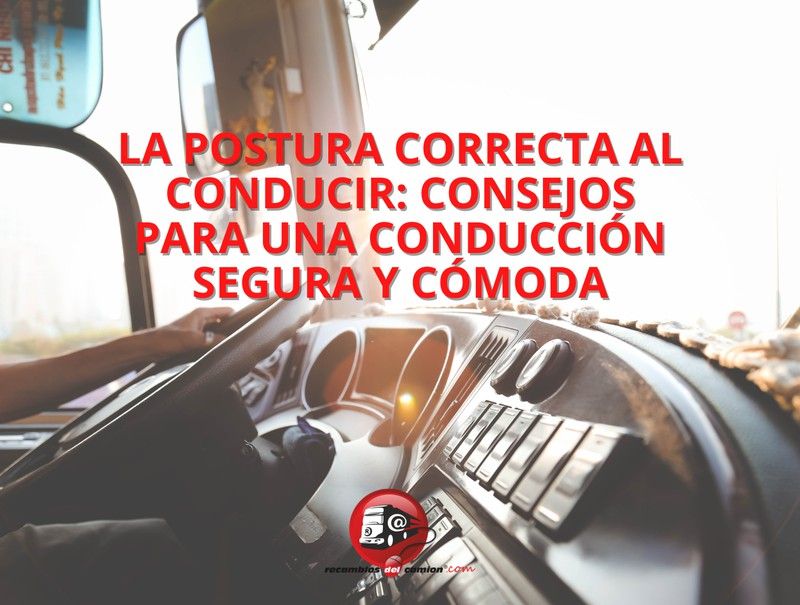
Before starting the journey, it is necessary to adjust the seat back to the most comfortable height that provides adequate visibility. This configuration may vary if you are the only driver or share the vehicle with others. Be sure to check and adjust the back height each time.
The position of the backrest should always be vertical. Leaning it too far back can cause the so-called "underwater effect", in which the seat belt slides over the body, nullifying its effectiveness. On the other hand, leaning the backrest forward can cause neck and back discomfort. Find the right balance that allows you to have a comfortable posture and optimal visibility forward and in the rear-view mirrors.
The headrest is not only an element of comfort, but also of safety. Its main function is to protect the neck and head in the event of an impact. The lower part of the headrest must be at eye level, while the upper part must coincide with the upper limit of the head. It is important to maintain a distance of approximately 4 centimeters between the head and the headrest to ensure its effectiveness in the event of a collision.
The seat should be properly adjusted to create a comfortable and safe space. The ideal distance between the seat and the steering wheel is one that allows you to stretch your arms, slightly bending your wrists and resting them on the steering wheel. In addition, the legs must be relaxed and semi-flexed, allowing you to reach the clutch pedal without difficulty. Be sure to adjust the position of the seat according to your height and personal preferences.
In many vehicles, it is possible to adjust the height of the steering wheel. Be sure to position it in a position that allows you to drive without putting strain on your arms and legs. The ideal steering wheel height is one that allows you to have a clear view of the instrument panel and controls, without obstruction. When holding the steering wheel, it is important to use both hands in a position such as ten past ten or a quarter past nine, avoiding one-handed or knee-driving. Maintain a firm but relaxed grip for optimum control over the vehicle.
A correct configuration of the mirrors is essential to have a complete vision of what is happening around the vehicle. Make sure your back is fully supported in the seat and adjust the rear view mirrors so that they give you a full view and minimize blind spots. The interior mirror should allow you to see the entire rear window, while the door mirrors should provide a wide overview. Adjust as necessary to have a clear view of vehicles and pedestrians to the sides and behind you.
Adopting a correct posture when driving is essential to ensure safety and comfort while traveling. From the adjustment of the backrest and headrest to the position of the steering wheel and the correct view of the rear-view mirrors, every detail counts. Always remember to wear your seat belt and drive responsibly to enjoy a safe experience on the road. Your well-being and that of other road users depend on a proper posture behind the wheel. Always keep these tips in mind and turn them into habits for optimal driving.
Other related articles
 Aug. 24, 2026
AI-powered cameras in Catalonia: Distraction controls on the A-2 and AP-7
For a professional driver, maintaining their license points and avoiding penalties is … Aug. 5, 2026
Solar eclipse 2026: traffic restrictions update
Traffic restrictions planned for the total solar eclipse on August 12, 2026, … July 22, 2026
2026 Solar Eclipse: Traffic Restrictions and Special Measures
The total solar eclipse of August 12, 2026, will be one of … July 10, 2026
Will breathalyzers be mandatory in 2026? Which vehicles are required to have them?
In recent days, numerous news reports have claimed that, from July 7, … June 15, 2026
Opinions of our clients
Receive our news