Experts recommend extreme caution in winter driving
For road transport professionals, winter is a tough opponent to fight and against which all precaution is little. For driving in extreme cold situations. Snow or ice is less dangerous, it is essential to keep the truck in good maintenance, but it is also just as important to take a series of precautions when driving.
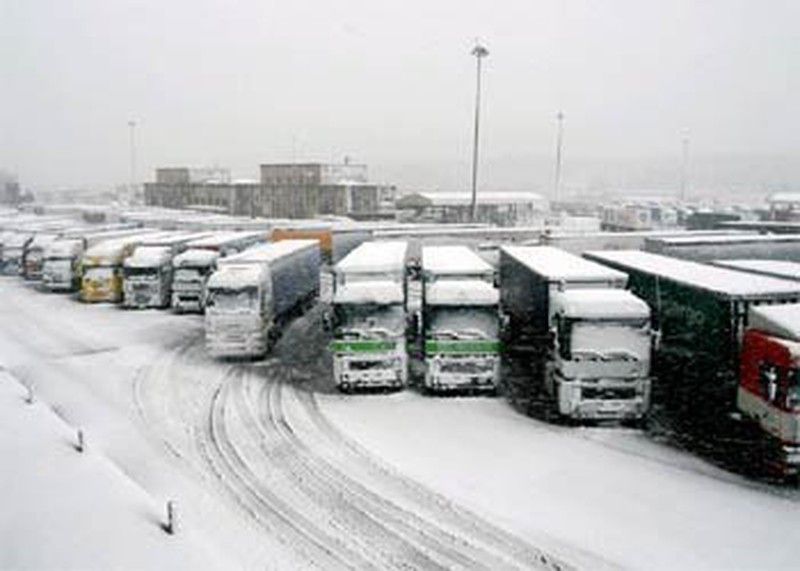
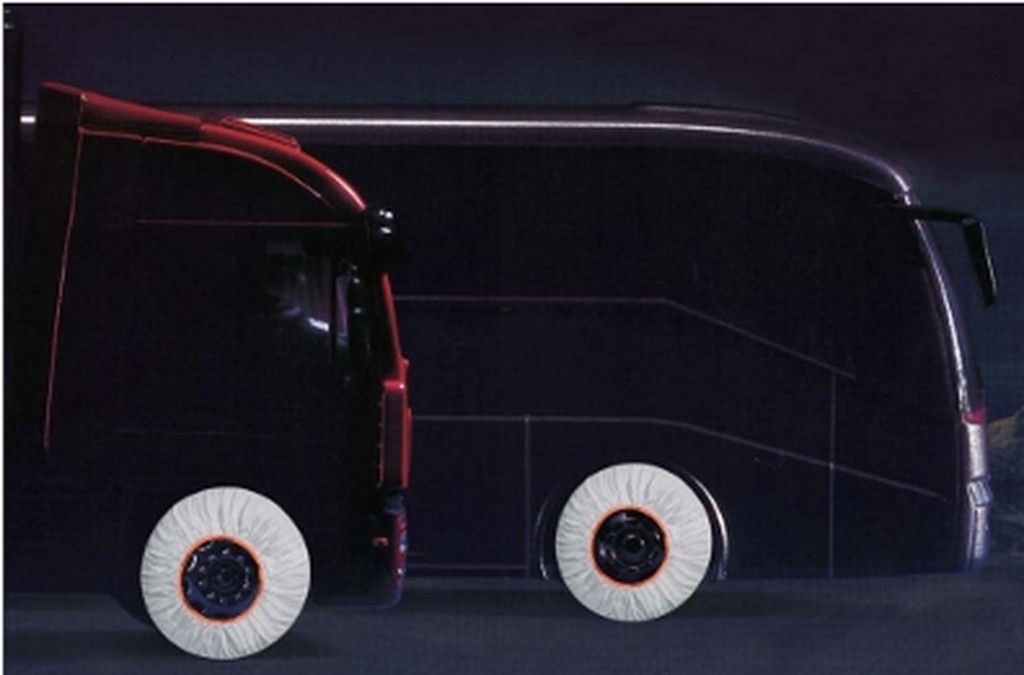
The road accidents are unpredictable but it can always be done something to avoid them. When driving on ice or snow or with a very low temperatures (as occurs during the month of January) there is no to spare no effort in having the truck maintenance up to date and all its vital elements (brake, coolant, battery, tires, etc.). And above all, do not forget the chains at home.
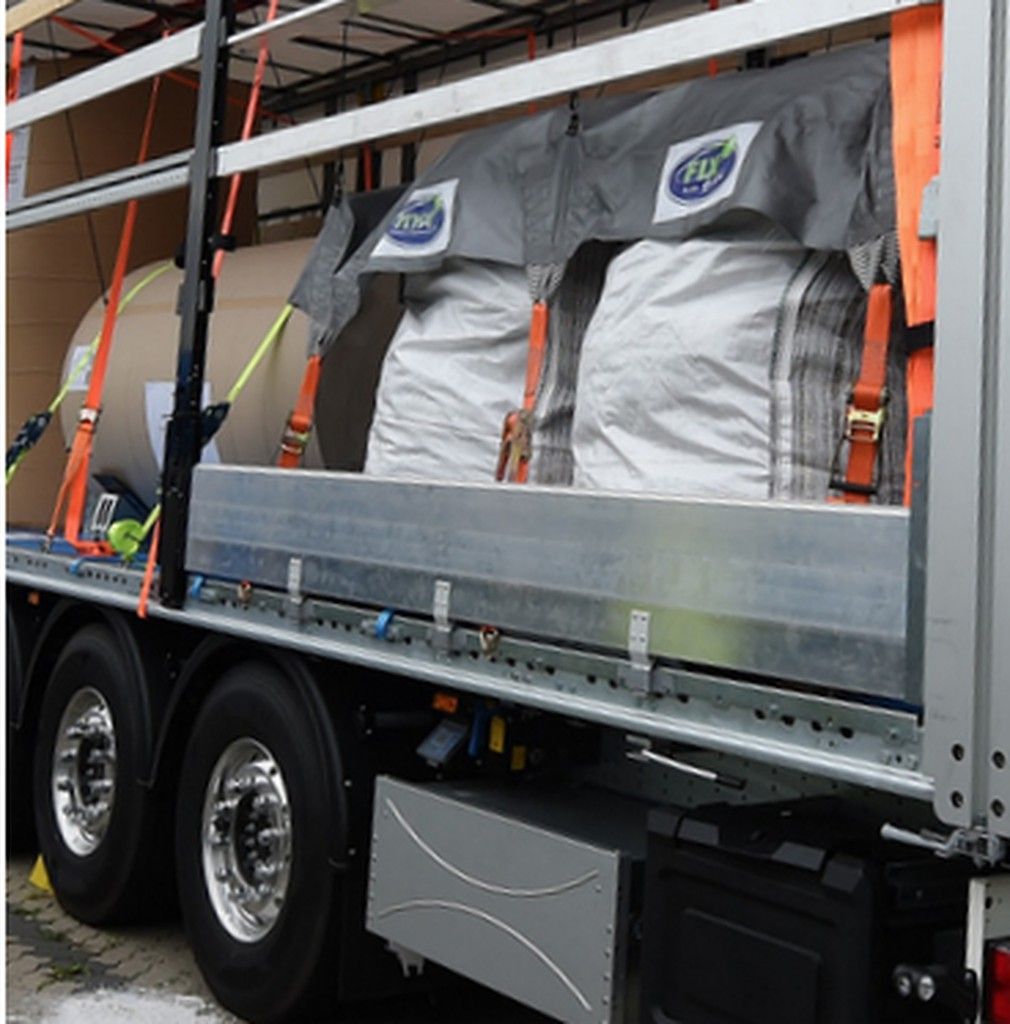
But that is not enough, experts also recommend adapting some slightly different driving modes than those used during the It will also be more important than ever to keep the load well secured, to prevent it from shifting and unbalancing the vehicle in the event of a skid.
It The first thing that is recommended is to exercise extreme caution, attention and caution. Although professionals always study in advance their routes, in winter more than ever they must be "connected" and pay special attention to informative messages and instructions of the authorities, the Civil Guard or the meteorological services and highways that will periodically spread through the radio stations. You also have to be very attentive to the indications of the workers and the maintenance personnel of the road network, which can always provide information on the state of roads and mountain passes and even recommend alternative routes. If you drive on mountain roads, You should still exercise extreme caution, especially when driving on above 1,000 meters of altitude.
The The golden rule of winter is that the alert has to be maximum when freezing temperatures are recorded or forecast. When the thermometer enters the negative band is when the possibility of ice forming on the road, the greatest enemy of drivers and vehicles. The dangerous ice sheets tend to form in the shade (stretches or points with shade when passing through wooded areas), under bridges and in road junctions and intersections. One of the signs that can alert us that there may be ice on the road is that ice begins to appear on the mirrors inside the cab or when the landscape is covered with frost and the road has appearance of being wet or very damp.
In cases of ice, slippery road, very heavy or bad rain visibility it is recommended to drive with the sight to the front and focused as distant as possible and thus have a greater field of vision, avoiding the feared tunnel effect. This measure also carries increase the safety distance with the vehicle in front of us to be able to act in advance in an emergency, such as a loss of tire grip or a skid. I also know recommends gripping the steering wheel firmly so that ice or a strong gust of wind do not move the vehicle out of the road. Thus, the movements of the steering wheel must be especially firm and precise, avoiding any type of abruptness that cause wind or ice to take control of the truck.
The cold driving must always be smoother and more fluid than with heat. Sudden acceleration and braking can cause a skid if there are ice sheets, which is synonymous with the trailer make the “scissor”. Although it seems obvious, they should not be accelerate when the engine is cold because if the temperatures nocturnal are low, the fluids that protect the elements of truck friction will not be at its optimum temperature when we want to start the vehicle and we will subject the engine to an effort unnecessary and very harmful, which will shorten your life. The experts recommend keeping the engine idling to warm it up between four and five minutes before starting, so that it reaches its ideal operating temperature.

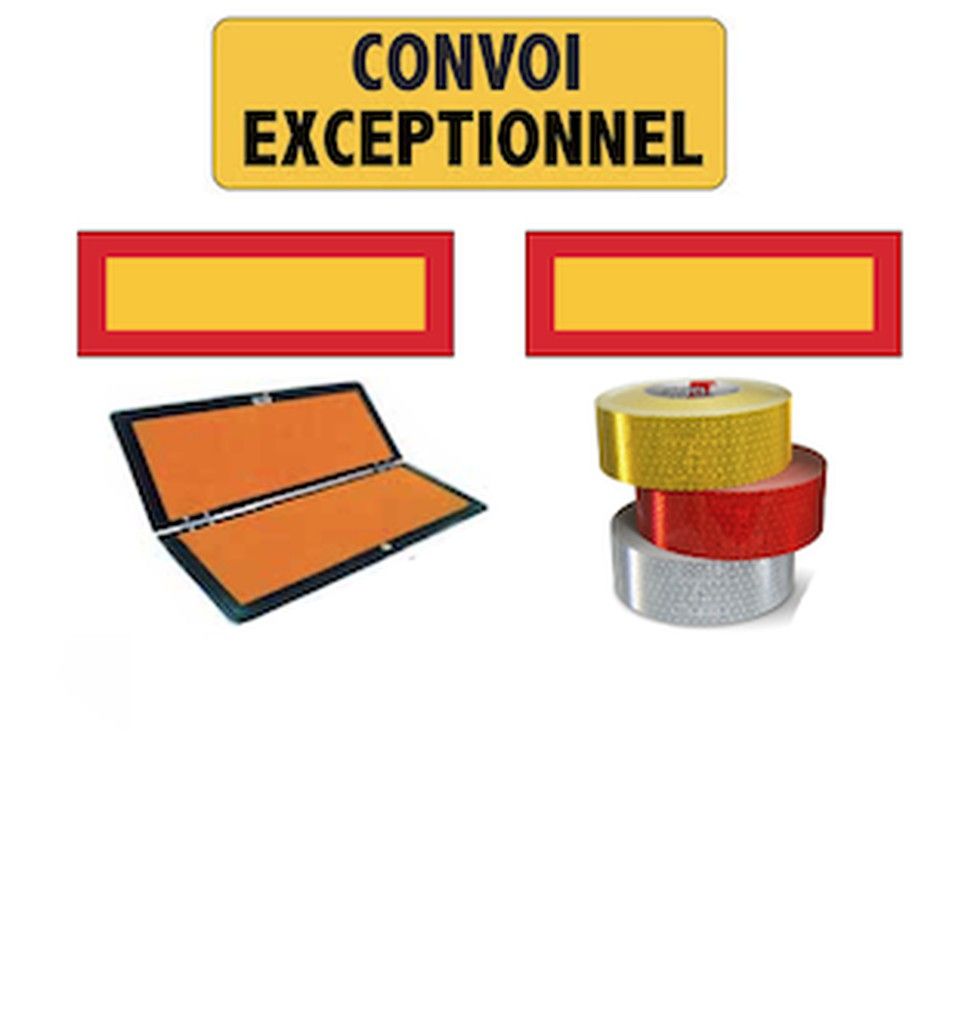
Y Finally, in case of breakdown with adverse weather, it will be more necessary than ever to clearly signal the position of the truck for other drivers to see. This will mean increasing the distance at which the rear reflective triangle should be placed (up to 50 meters minimum) in both directions of the road because it must be taken into account that the poor adherence of the road vehicles traveling in our direction will have more Difficulty stopping and dodging. Don't forget to put the vest (also the co-pilot if there is one) and wait in the interior of the vehicle for assistance to arrive.
In summary, very, very careful.
Other related articles
 Aug. 24, 2026
AI-powered cameras in Catalonia: Distraction controls on the A-2 and AP-7
For a professional driver, maintaining their license points and avoiding penalties is … Aug. 5, 2026
Solar eclipse 2026: traffic restrictions update
Traffic restrictions planned for the total solar eclipse on August 12, 2026, … July 22, 2026
2026 Solar Eclipse: Traffic Restrictions and Special Measures
The total solar eclipse of August 12, 2026, will be one of … July 10, 2026
Will breathalyzers be mandatory in 2026? Which vehicles are required to have them?
In recent days, numerous news reports have claimed that, from July 7, … June 15, 2026
Opinions of our clients
Receive our news